Uganda’s Defense Chief, Gen. Muhoozi Kainerugaba, has issued a new directive requiring all police officers to visibly display their identity while on duty.
In a post on X Friday, Muhoozi announced that “from today and forever more” every police officer must wear a name tag on the right chest pocket and a badge with their number on the left.
He added that citizens “have the right to request the name and badge number of any arresting officer,” and said that if an officer refuses, “you have the right to resist arrest.”
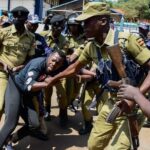
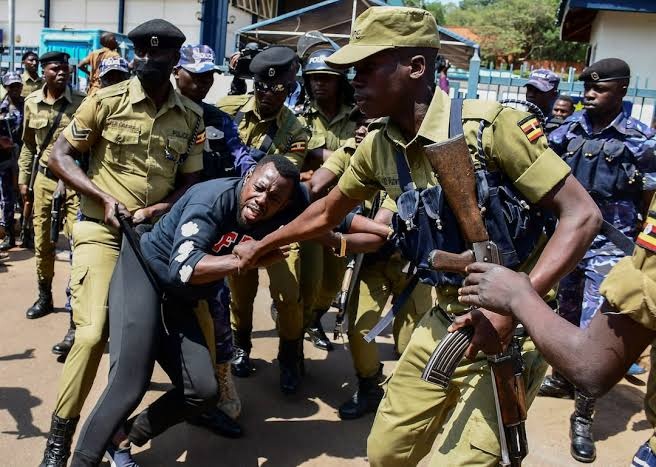
The directive comes amid long‑standing criticism of Uganda’s police for operating without clear identification, especially during politically sensitive crackdowns involving opposition figures, journalists and activists.
Rights groups have repeatedly documented cases where officers concealed their names or badge numbers, complicating efforts to hold individuals accountable for alleged abuses.
Civil society organizations have welcomed the push for visible identification, calling it overdue. But Muhoozi’s assertion that citizens may resist arrest has raised alarm among legal experts and human rights advocates, who warned that the statement contradicts Ugandan law and could escalate confrontations between civilians and armed officers.
The order also highlights Muhoozi’s expanding influence over Uganda’s security apparatus. As Chief of Defense Forces, and son of President Yoweri Museveni, his public directives to the police, an institution outside military command, have fueled debate about shifting power dynamics within the country’s security agencies.
Public reaction online is mixed. Supporters argue the move could strengthen transparency and reduce impunity. Critics say the “resist arrest” clause is dangerous, legally unsound and vulnerable to misuse during tense encounters with security forces.