African governments are moving to break free from the so called “resource curse,” a paradox where abundant natural wealth has often led to poverty and underdevelopment.
Countries such as Zimbabwe, Ghana, and the Democratic Republic of Congo (DRC) are implementing various policies to secure more value from their minerals.
In 2022, Zimbabwe restricted exports of unprocessed strategic minerals, including lithium, as part of a broader drive to increase domestic beneficiation.
The government said the move was part of a broader drive to increase domestic beneficiation and ensure that refining and manufacturing profits are retained locally.
“We cannot continue to export jobs and import poverty,” Zimbabwe’s Mines Minister said when announcing the policy.
Ghana, Africa’s largest gold producer, followed suit. In September 2026, it banned the export of raw gold dore, requiring refineries to add value before shipments abroad. The government has set a 2030 target to end all raw mineral ore exports.
The World Bank has noted that Ghana’s reforms could “strengthen fiscal resilience and create new industrial opportunities,” though challenges remain in curbing illegal mining, which has destroyed at least 10 percent of the country’s surface area.
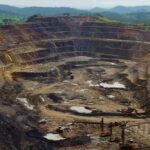
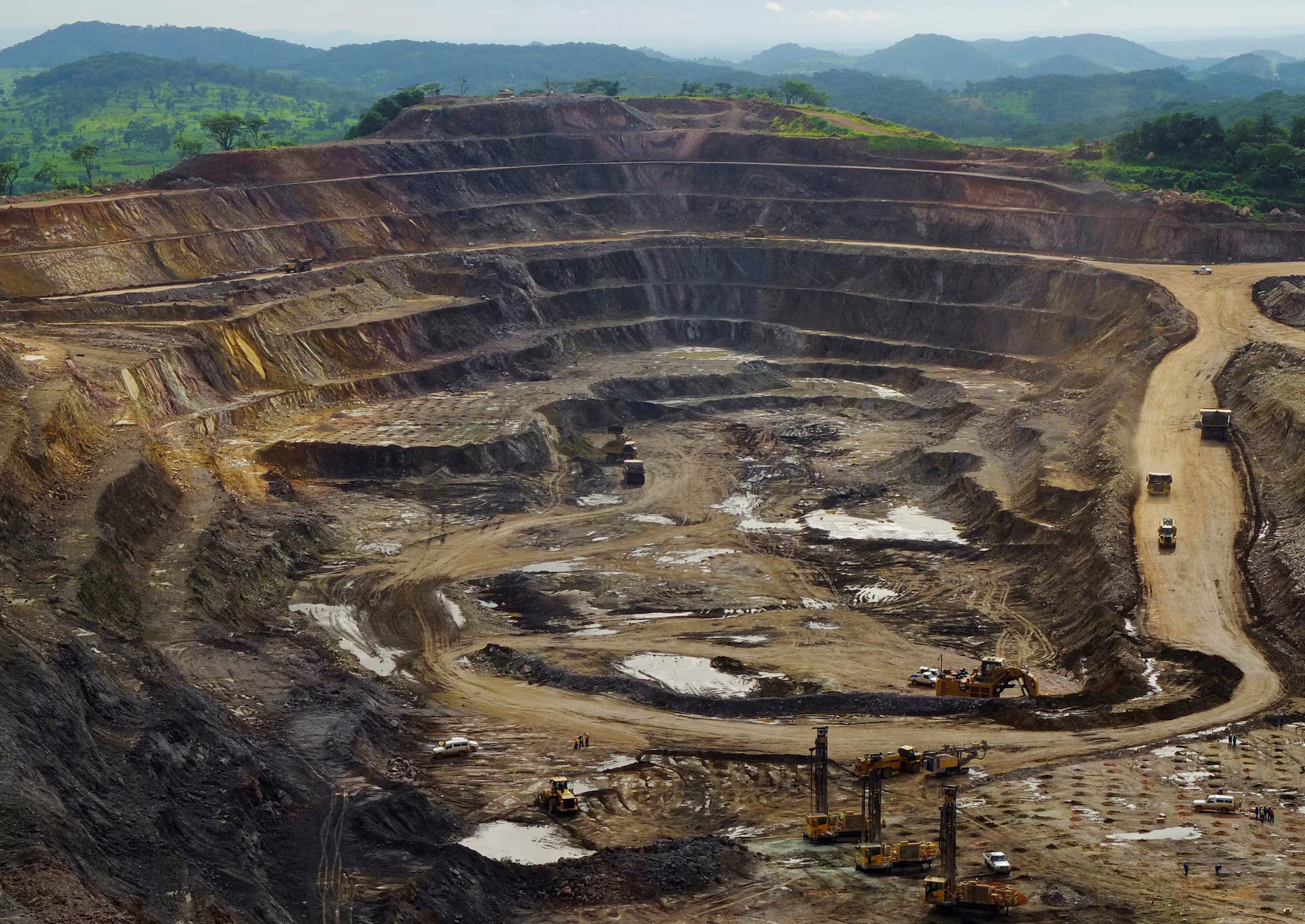
The DRC, which supplies more than 70 percent of the world’s cobalt, also banned exports of copper and cobalt concentrates in August 2026. The measure aims to retain mineral wealth and encourage local processing.
Yet the country faces acute instability, with armed groups such as M23 fighting for control of resource-rich territories. The International Monetary Fund has warned that “without stronger governance, resource wealth risks fueling conflict rather than development.”
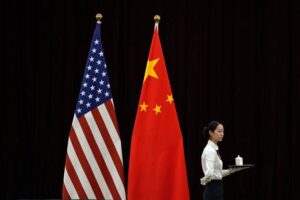
These moves show a growing trend across Africa. Governments are increasingly wary of agreements that tie development finance to preferential access to minerals. A Zambia-U.S. health deal collapsed last year after Washington linked funding to mining sector collaboration, underscoring growing caution among African leaders. Analysts say this marks a shift toward asserting sovereignty over mineral value chains.
Despite vast deposits of gold, oil, and lithium, millions in resource-rich nations remain poor. Ghana counts more than 7 million multidimensionally poor citizens. Nigeria, Africa’s largest oil producer, ranks among the world’s poorest by GDP per capita. Economists argue this disconnect illustrates the resource curse: wealth concentrated in extractive industries often fails to translate into broad-based development.
The IMF has described Africa’s current policy wave as “a critical opportunity to transform resource dependence into sustainable growth.” By prioritizing local processing, governments hope to generate jobs, diversify economies, and reduce vulnerability to commodity price swings.
Still, challenges loom. Illegal mining, governance gaps, and geopolitical competition for critical minerals complicate efforts. Advanced economies are racing to secure supplies of cobalt, lithium, and gold, raising fears of a new scramble for Africa’s resources. African leaders insist they will not repeat past mistakes of exporting raw materials without reaping domestic benefits.
As global demand for critical minerals surges, Africa is positioning itself not just as a supplier of raw ores but as a competitive hub for mineral processing. Whether these reforms succeed may determine if the continent finally awakens from its resource curse slumber.