At least 37 people have died in Nigeria’s southern Niger Delta after inhaling toxic fumes during an attempt to steal fuel from a pipeline, according to the Youths and Environmental Advocacy Center, a local environmental and human‑rights NGO.
YEAC said it received reports from its network of youth volunteers and human‑rights defenders that dozens of people were overcome by fumes from what witnesses described as “Indorama fuel.” The victims were allegedly attempting to load the product into a vessel from an illegally tapped pipeline at a jetty early Thursday.
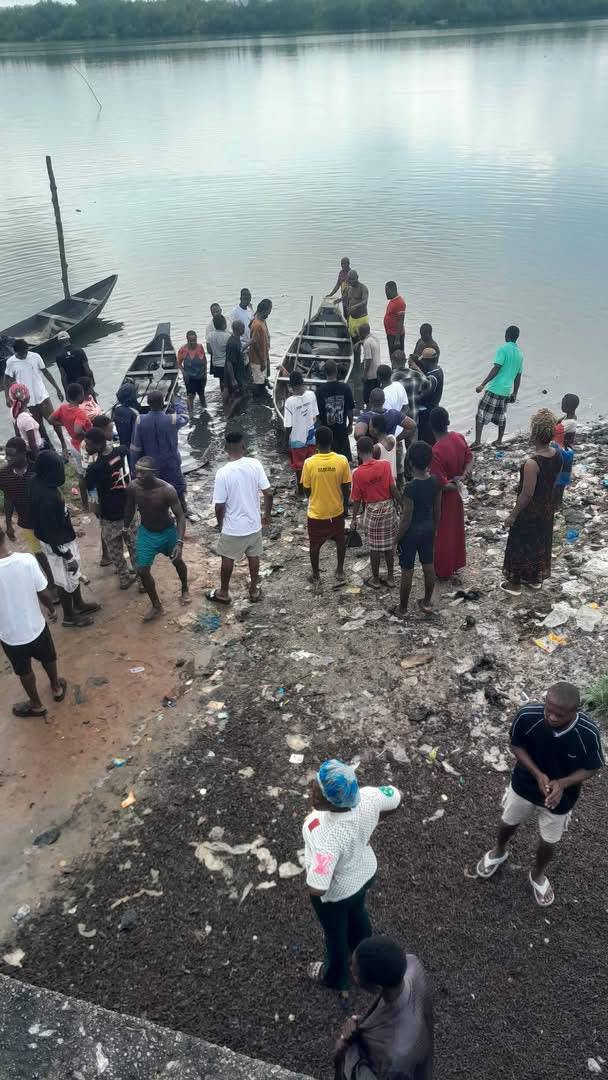
In a statement, the NGO said many more people remained missing, and some bodies were seen floating on the river but have not yet recovered. The group said the incident occurred during the “illegal loading of the product into a ship at a tapping point,” adding that the scale of the tragedy is still unfolding.
Local media reported that more than 100 people from nearby communities rushed to the jetty in locally made boats to scoop fuel from the illegal tap before the fumes overwhelmed those closest to the pipeline.
The Niger Delta has long struggled with pipeline vandalism, artisanal refining and dangerous fuel‑siphoning practices driven by poverty, unemployment and the lucrative black market for petroleum products.
YEAC called for a full investigation into the incident and urged the Nigerian government to address the underlying economic pressures that push young people toward hazardous fuel theft. The group reiterated its advocacy for alternative livelihood programs, including modular refineries and the legalization of artisanal refining, arguing that regulated community‑based refining could reduce deadly accidents and environmental damage.
The NGO said the latest tragedy underscores the urgent need for stronger safety measures, economic support and community engagement in the Niger Delta, where illegal tapping points and makeshift refining sites continue to pose severe risks to residents.