Nigeria has signed an agreement with South Korea’s Asia Economic Development Committee (AEDC) to build Africa’s first electric vehicle (EV) manufacturing plant.
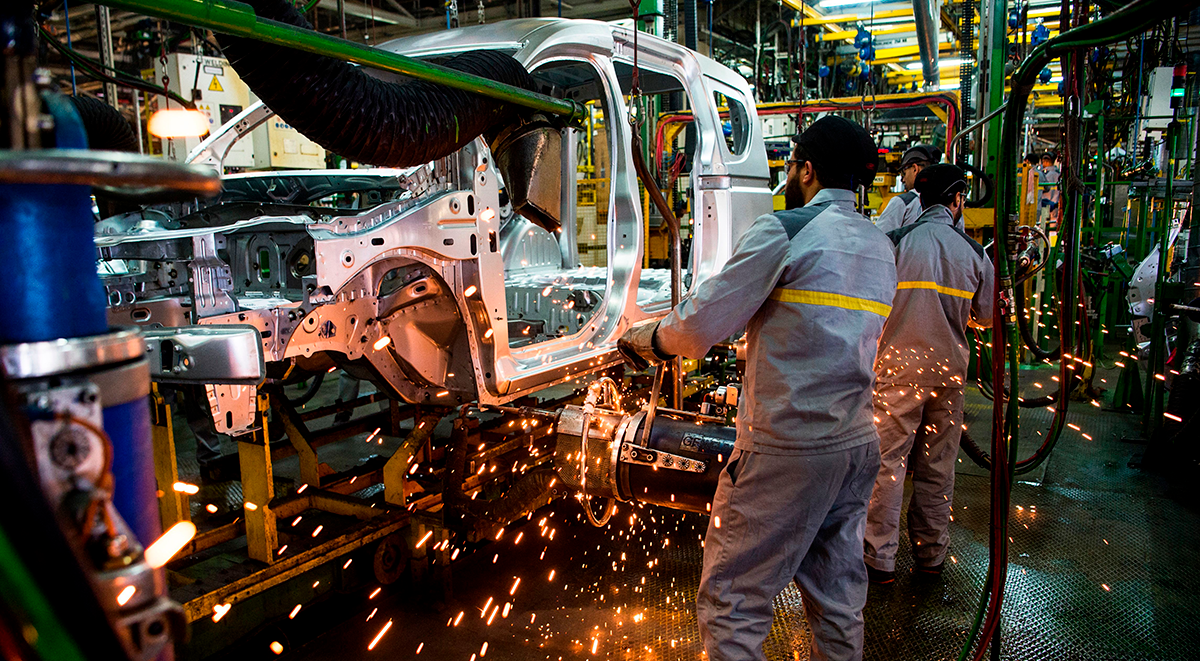
The initiative will roll out in two phases. The first phase focuses on assembling vehicles using imported kits, enabling Nigeria to develop the technical capacity and expertise needed for full-scale production.
The second phase will transition into complete in-house manufacturing, including the local production of key components such as batteries and chassis. This partnership aims to reduce the approximately $10 billion Nigeria spends each year on fuel and vehicle imports.
Once fully operational, the facility is projected to produce up to 300,000 vehicles annually and employ approximately 10,000 people.
The agreement was signed by Nigeria’s Minister of State for Industry, Senator John Enoh, and AEDC Chairman Yoon Suk-Hun on behalf of South Korea.
According to the National Automotive Design and Development Council (NADDC), the partnership supports Nigeria’s National Energy Transition Plan, advancing the country’s move toward cleaner and more sustainable transportation.
Nigeria currently imports between 400,000 and 720,000 vehicles each year, with 74–90% being used cars.
In 2023 alone, imports reached 700,000 units, and the value of passenger car imports rose to $1.05 billion in 2024, underlying the nation’s dependence on foreign vehicles.
To further drive EV adoption, the federal government introduced a 20-billion-naira ($12 million) consumer credit program in December 2024 to make electric mobility more accessible to Nigerians.