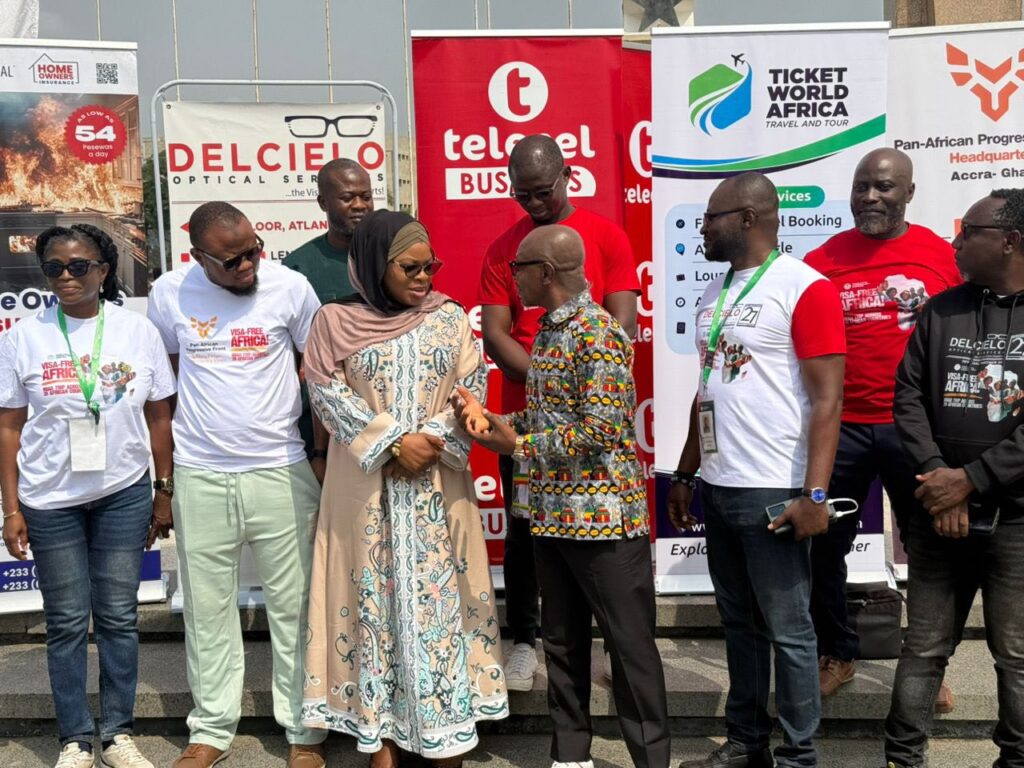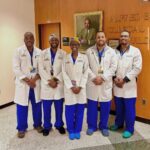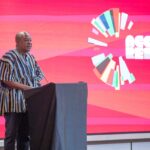
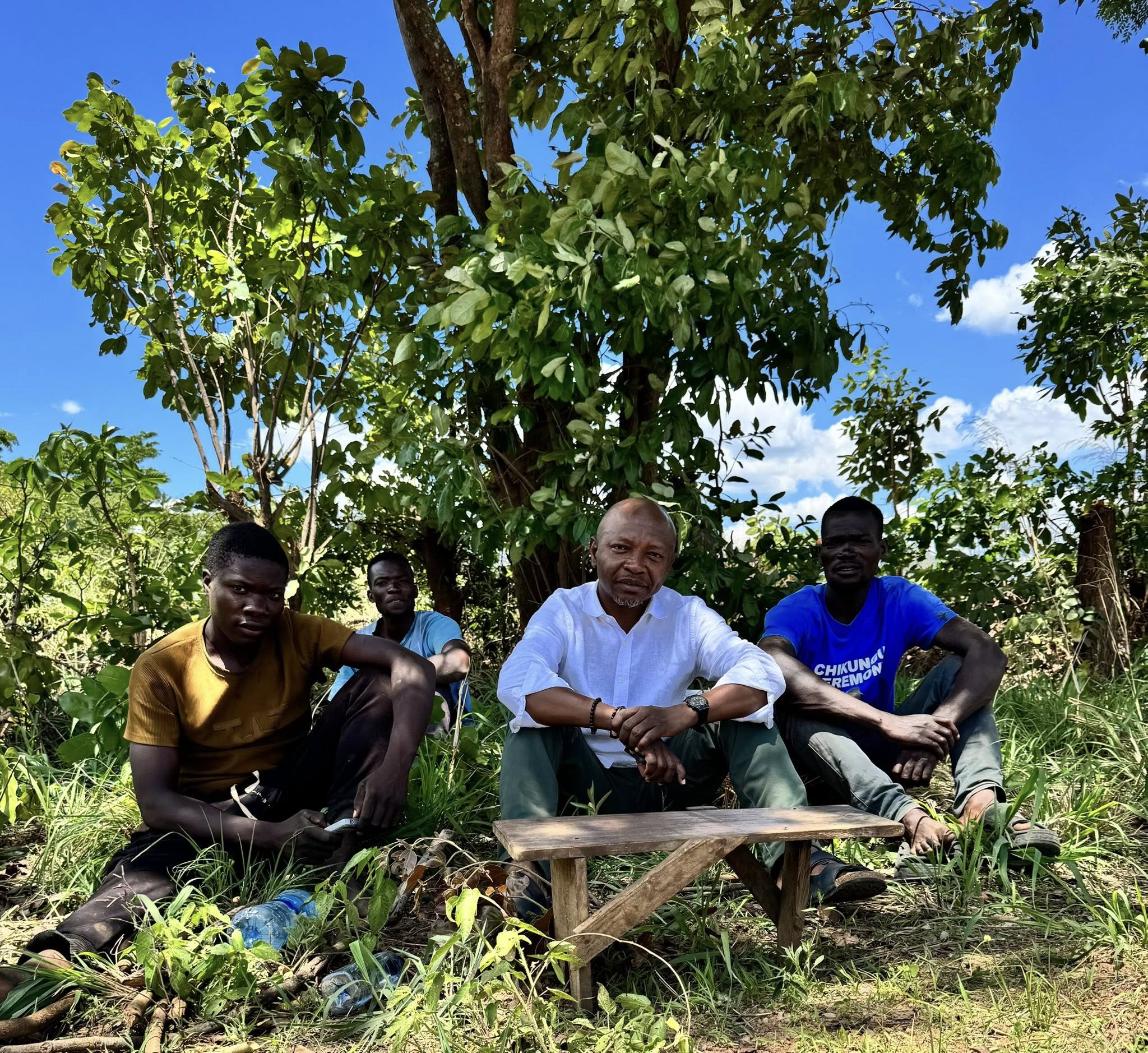
Ras Mubarak, a Pan-African advocate and former Member of Parliament in Ghana, has concluded an ambitious overland expedition spanning East, West, Central, Southern and North Africa.
The journey, which began in August 2025 lasted 160 days and aimed to rally support from African leaders for the implementation of a continent‑wide visa‑free regime.
Over the course of the five‑month mission, Mubarak’s team met with Heads of State, ministers, and senior policymakers to champion the campaign for deeper African integration.
A journey through Africa’s diversity
Beyond its political goal, the journey exposed Mubarak to Africa’s cultural diversity like like eating python meat in Equatorial Guinea, crocodile meat in Kenya and worms in Namibia.
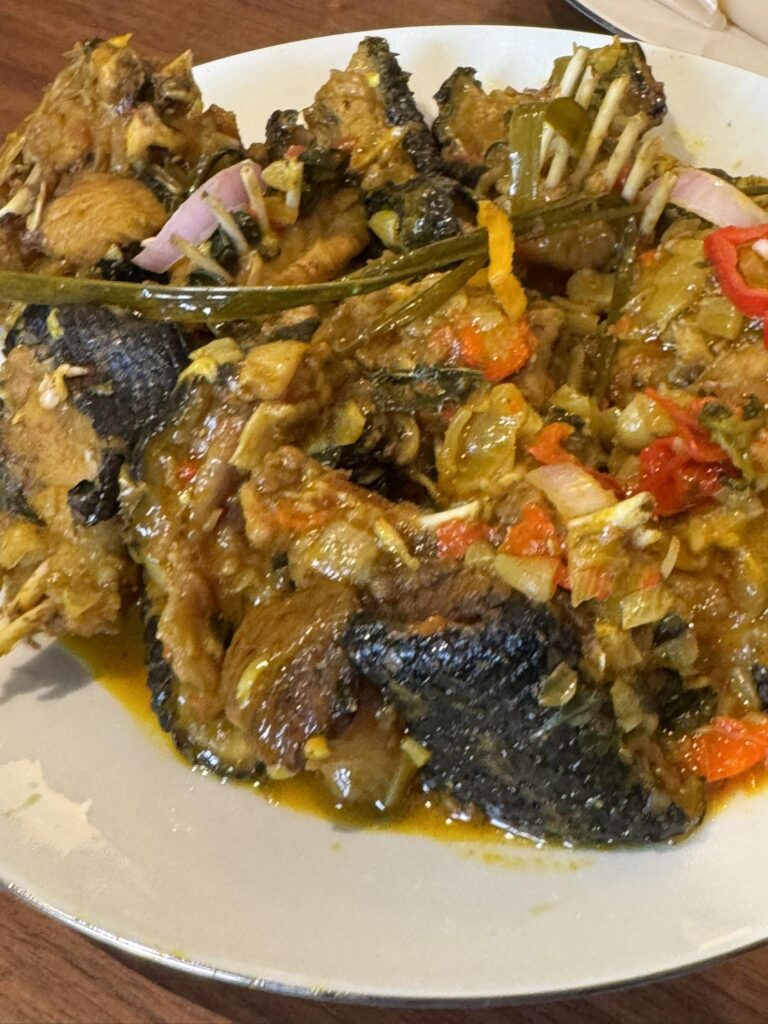
“This is indicative of the diversity of our rich African culture,” Mubarak said on arrival in Ghana, calling the journey “interesting” but far from easy.
“It wasn’t easy at all. From potholes to storms, bad weather, dusty roads, and very good roads, we saw it all. It was tough, but it was necessary,” he added.
Meetings with African leaders
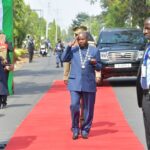
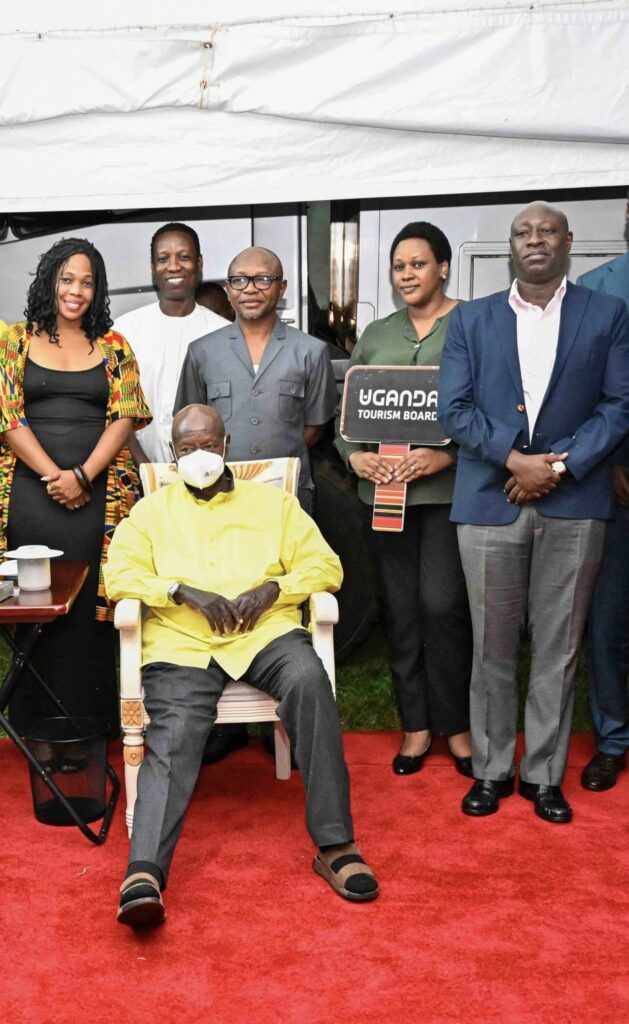
Mubarak’s held high-level engagements across the continent as part of the trip. In Uganda, he met President Yoweri Museveni “in the heat of his campaign,” receiving assurances that Uganda would consider adopting a visa‑free policy.
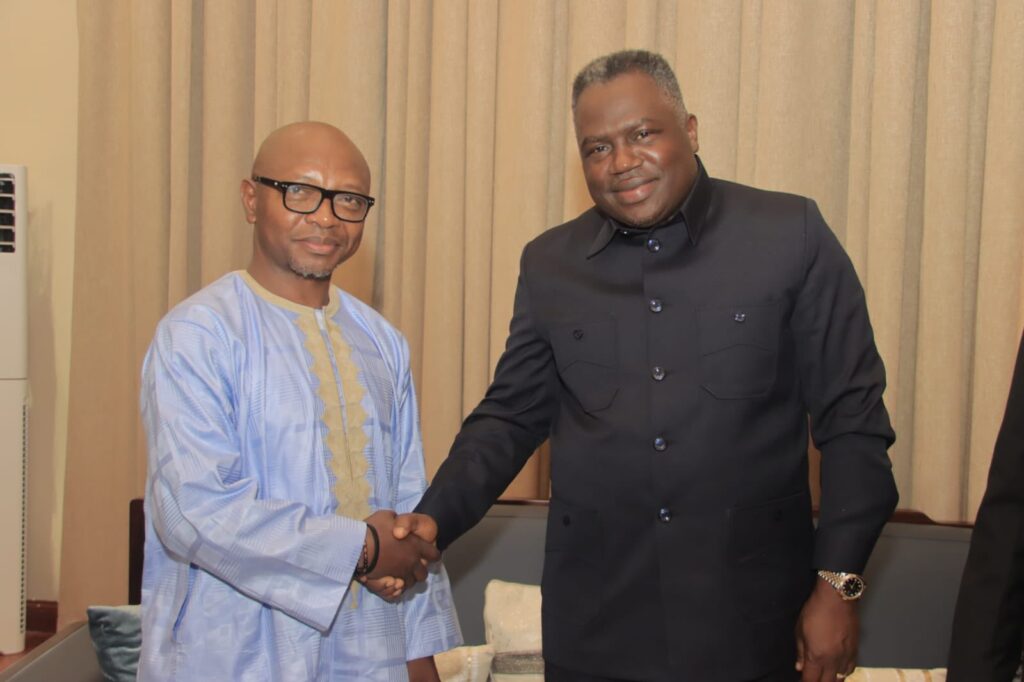
In Guinea, Prime Minister Amodou Oury Bah welcomed the effort, endorsing the Pan-African vision while aligning it with Guinea’s own commitment to continental integration.
Similar engagements were held with leaders and ministers in Eswatini, Lesotho, Zambia, Namibia and other countries on the route.
Border challenges and bureaucratic hurdles
The journey was not without challenges. In Cameroon, Mubarak’s team was detained for nearly 10 hours because border officials refused to accept e-visas.
“We had to drive 10 hours just to get visas from Nigeria and return to the border,” he recounted. “And when we got there on Sunday, they said we couldn’t leave because they don’t work on Sundays.”
Similar delays were recorded at the Kenya–Uganda border and between Tanzania and Malawi. For Mubarak, these obstacles reveal the need for reform.
Extortion at border posts
Mubarak also revealed instances of attempted extortion, including one at the Benin–Togo border where officers demanded payment before allowing the team to cross.
“I said no because ECOWAS nationals can travel freely within ECOWAS,” he said, noting that the standoff was resolved only after intervention from the Ghanaian Embassy in Benin.
A call for political will
For Ras Mubarak, Africa is long overdue for free movement across its borders, lamenting the lack of political commitment in parts of the continent.
He hopes his campaign will help accelerate a visa‑free Africa within the next five years, much earlier than the African Union’s 2063 target.
“When Kwame Nkrumah envisioned a united Africa, he knew there would be stumbling blocks, but he pushed on,” Mubarak said. “If Africa had listened to him then, we would have been in a better place.”
The team is expected to present a report of the journey to Ghana’s President, John Mahama.